
Lec Dem
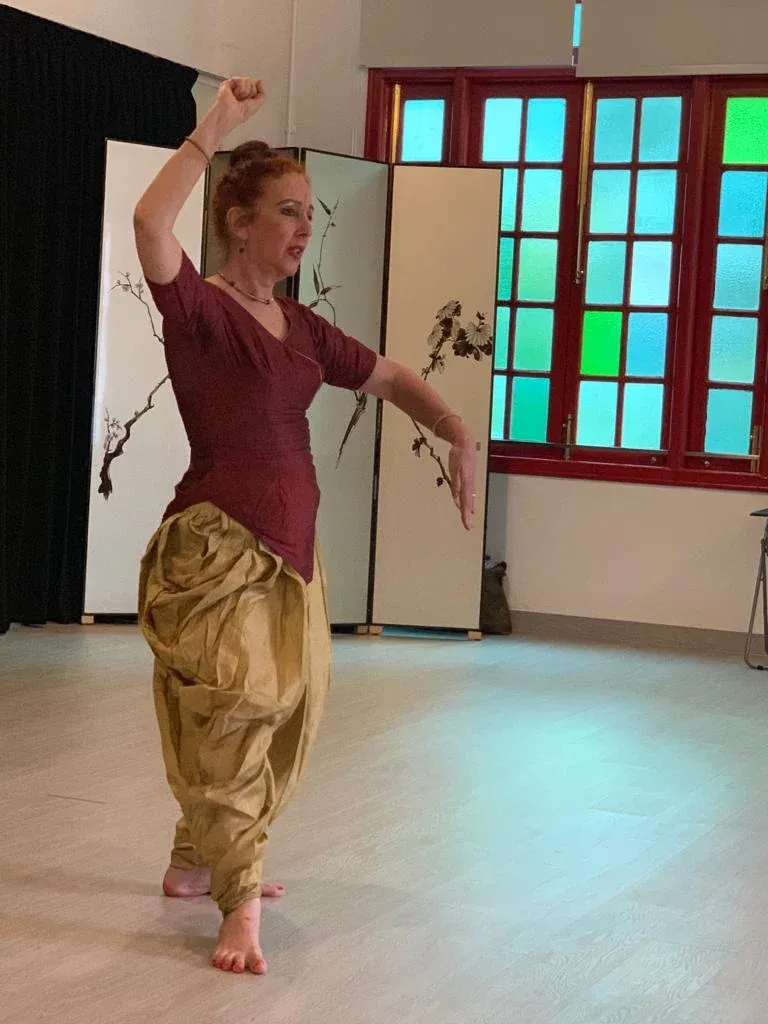
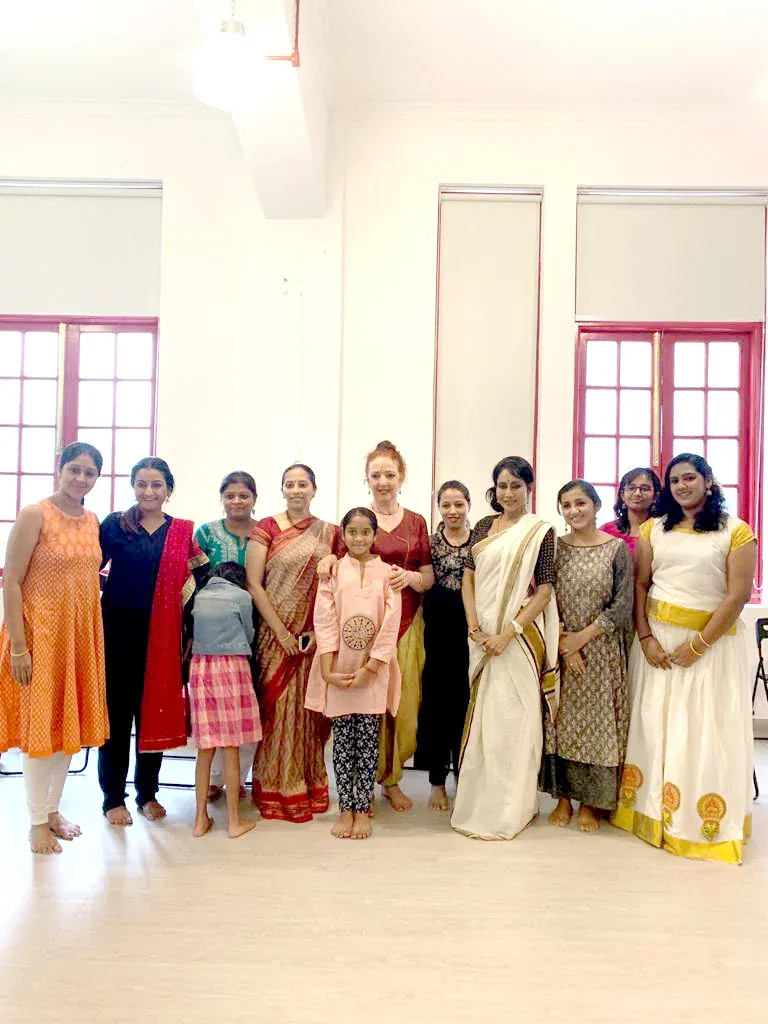
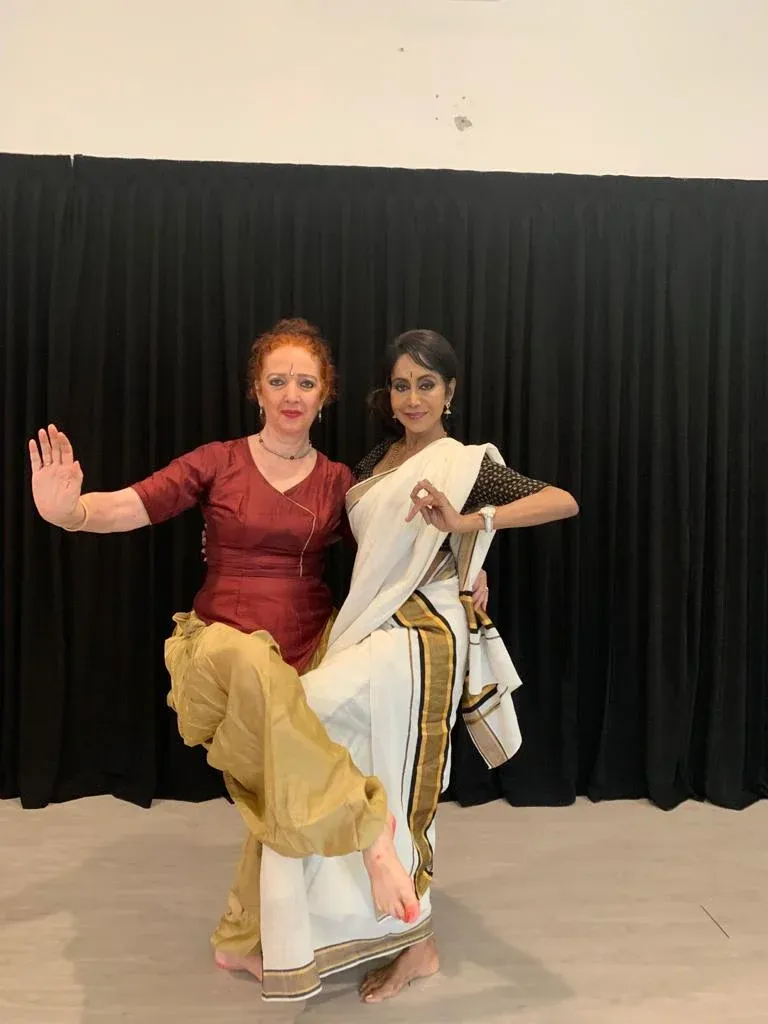
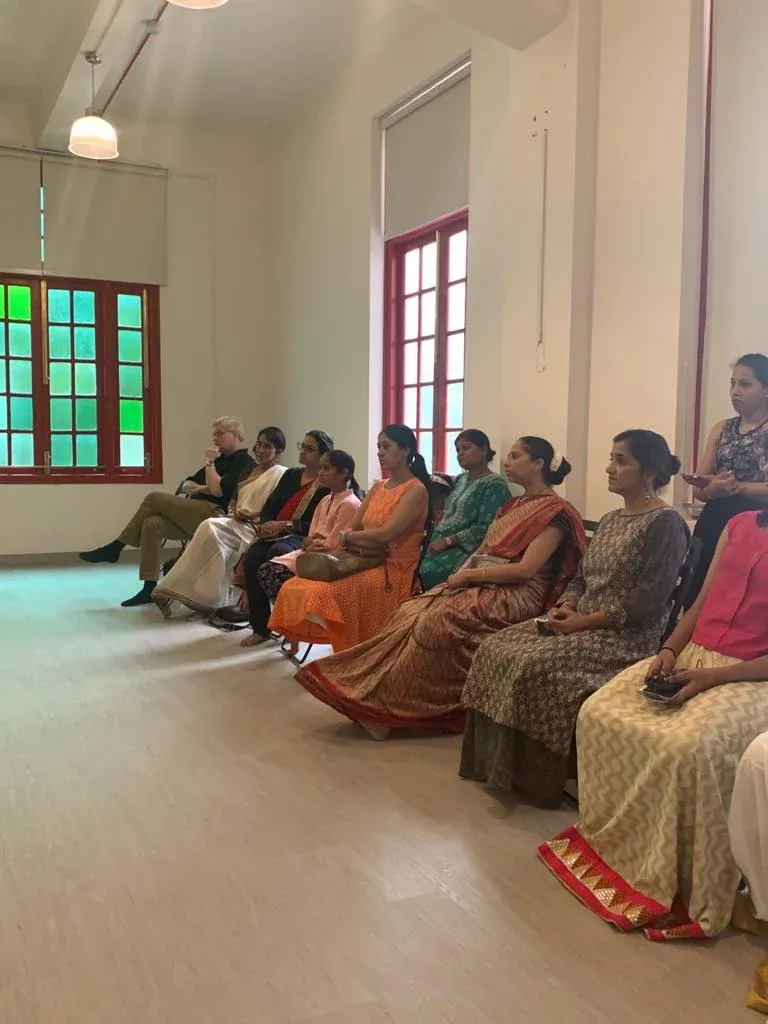
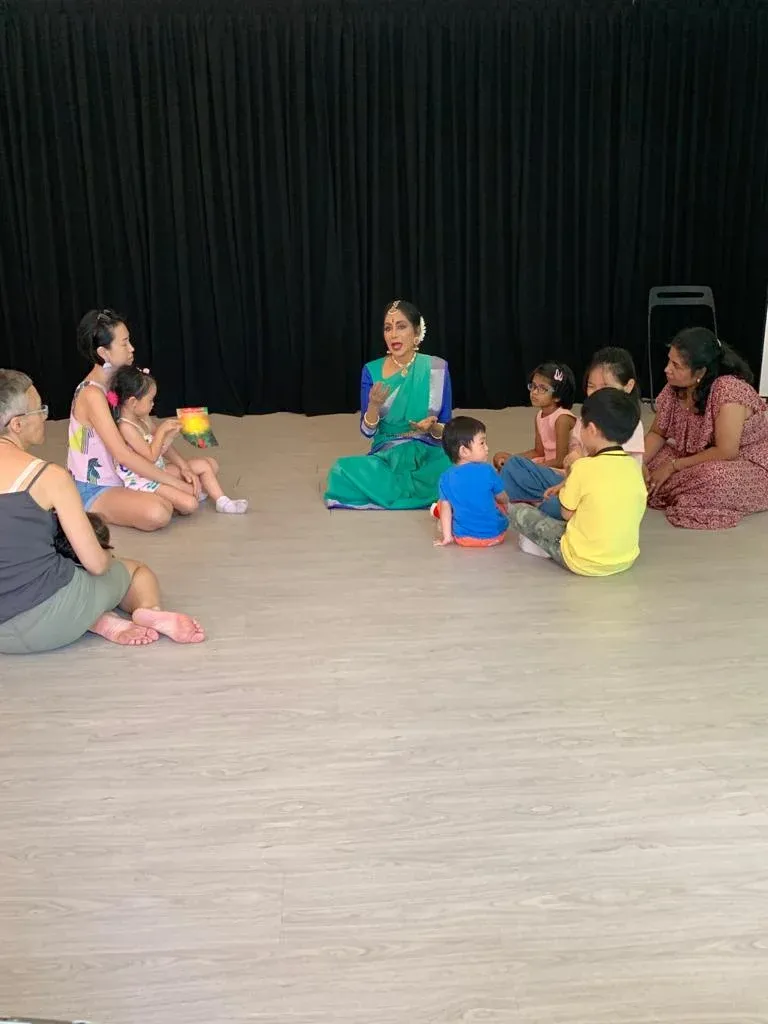
Chhau Lec-dem
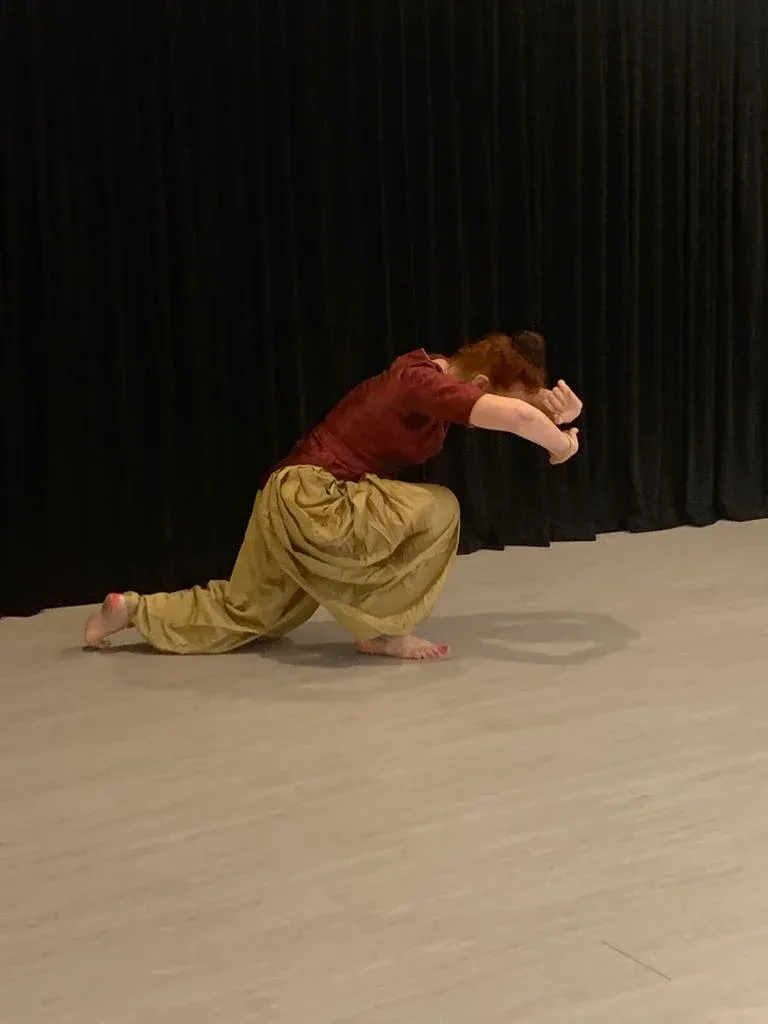
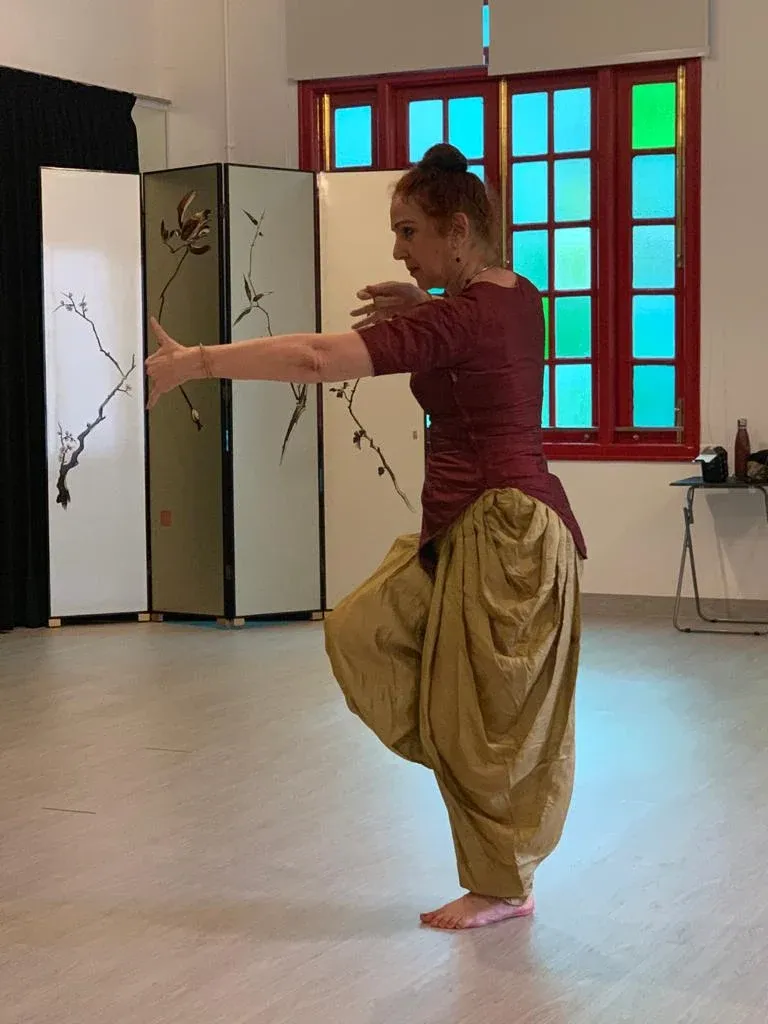
Chhau is an Indian dance form with martial tribal and folk traditions with origins in Eastern India.
It has vigorous leaps, jumps and somersaults which took the shape of dance often telling stories from Ramayana, Mahabharata and Puranas to celebrate the triumph of good over evil.
Mayurbhanj Chhau is a martial dance from North Odisha. It has a strong body training technique, and is a dance drama about Gods and Goddesses and sometimes animals. Its props include swords, shields, sticks, bow and arrow.
The richness of its technique lends itself to new interpretations and expressions.
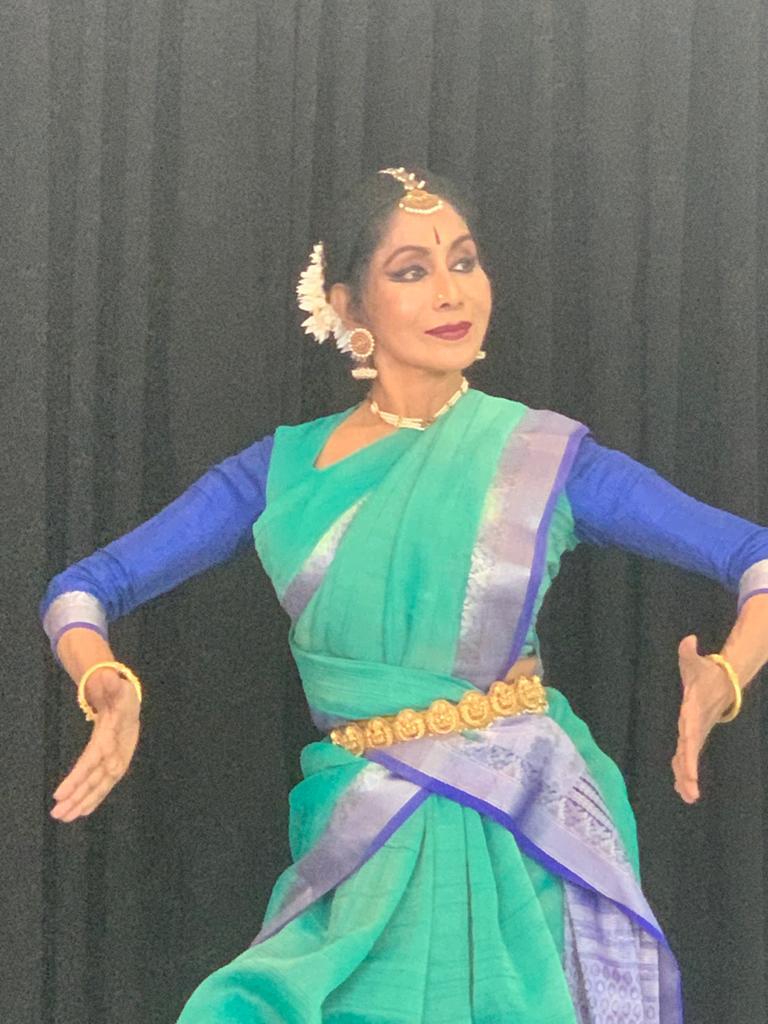
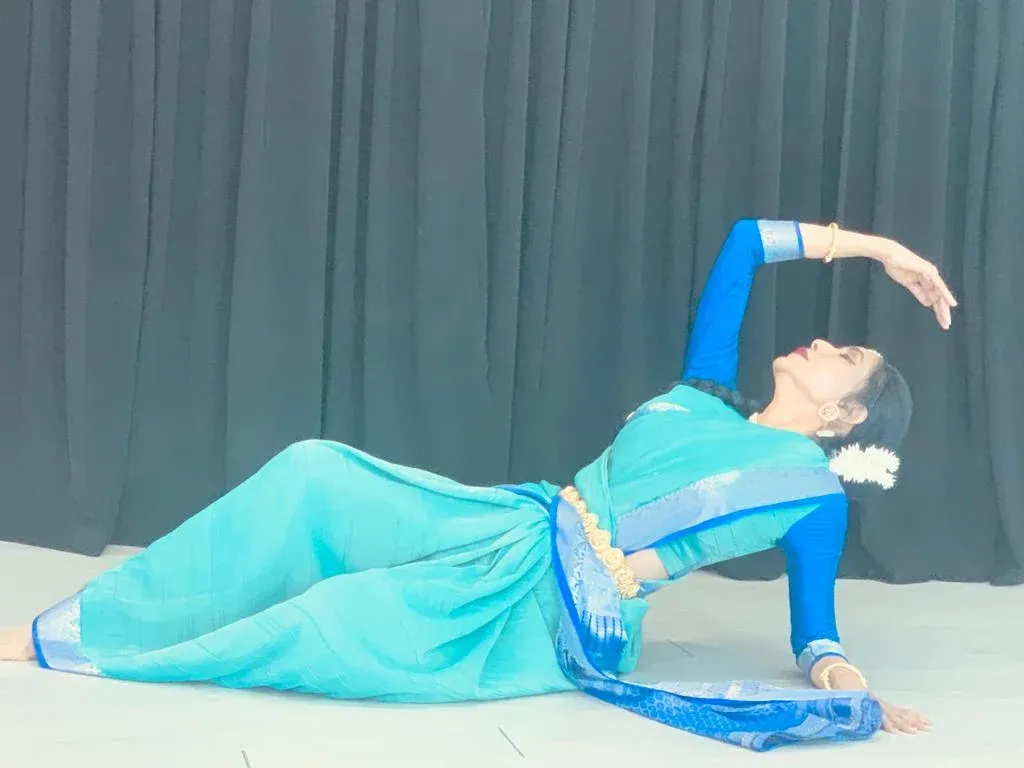
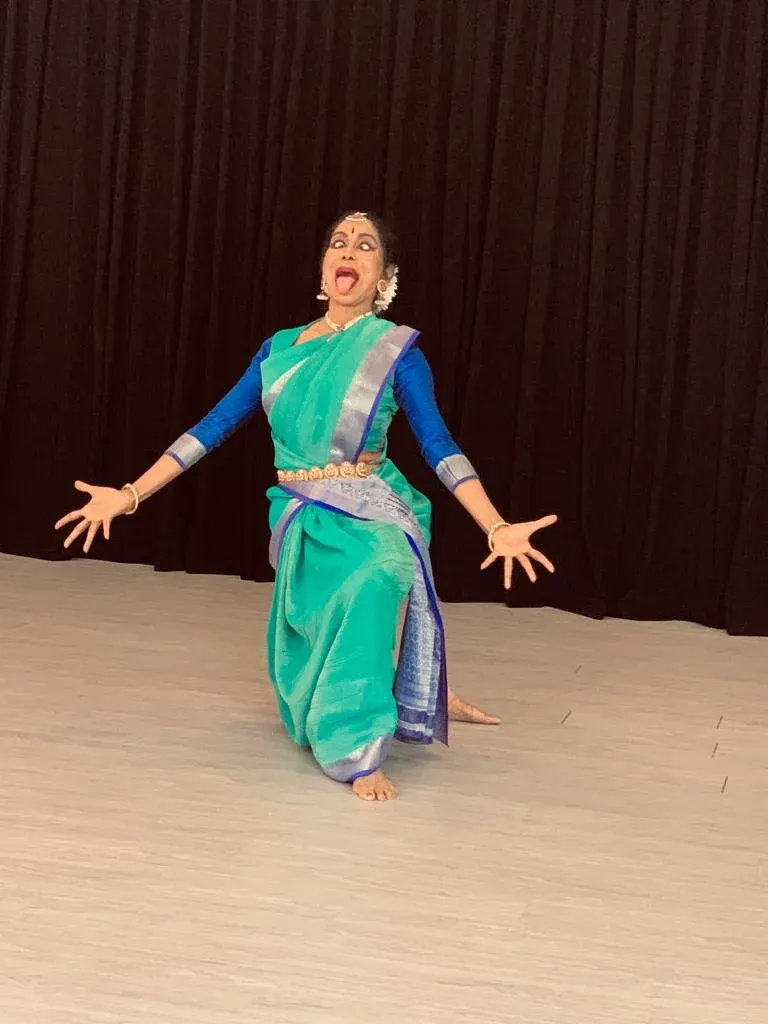
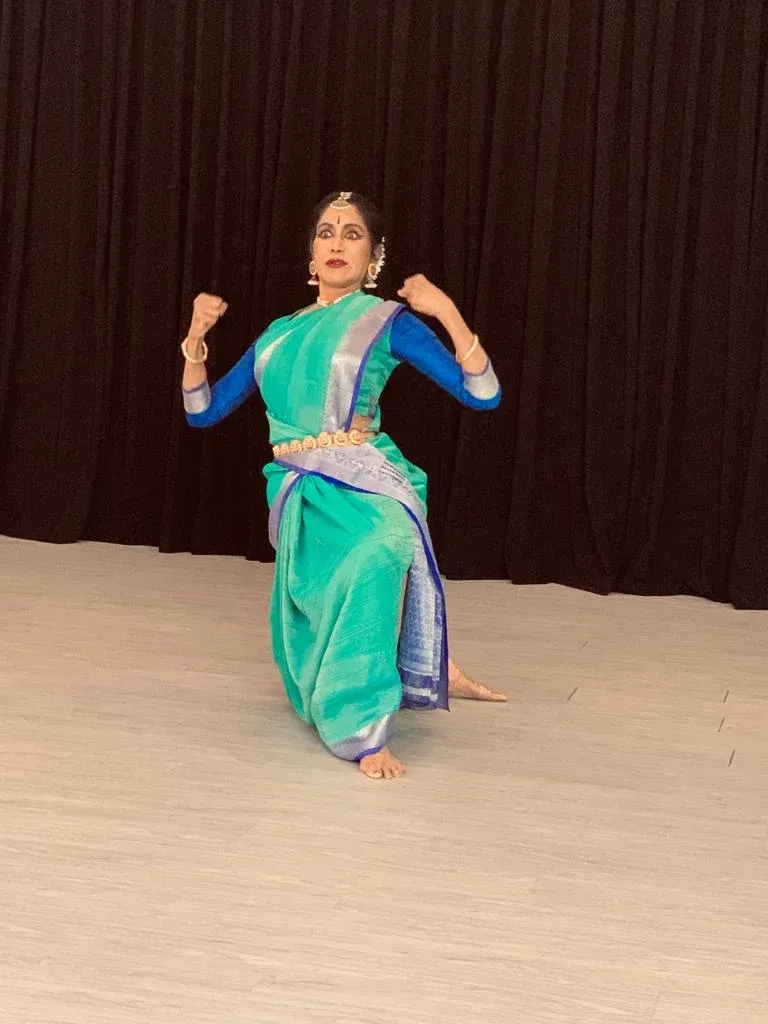


Nava Rasa
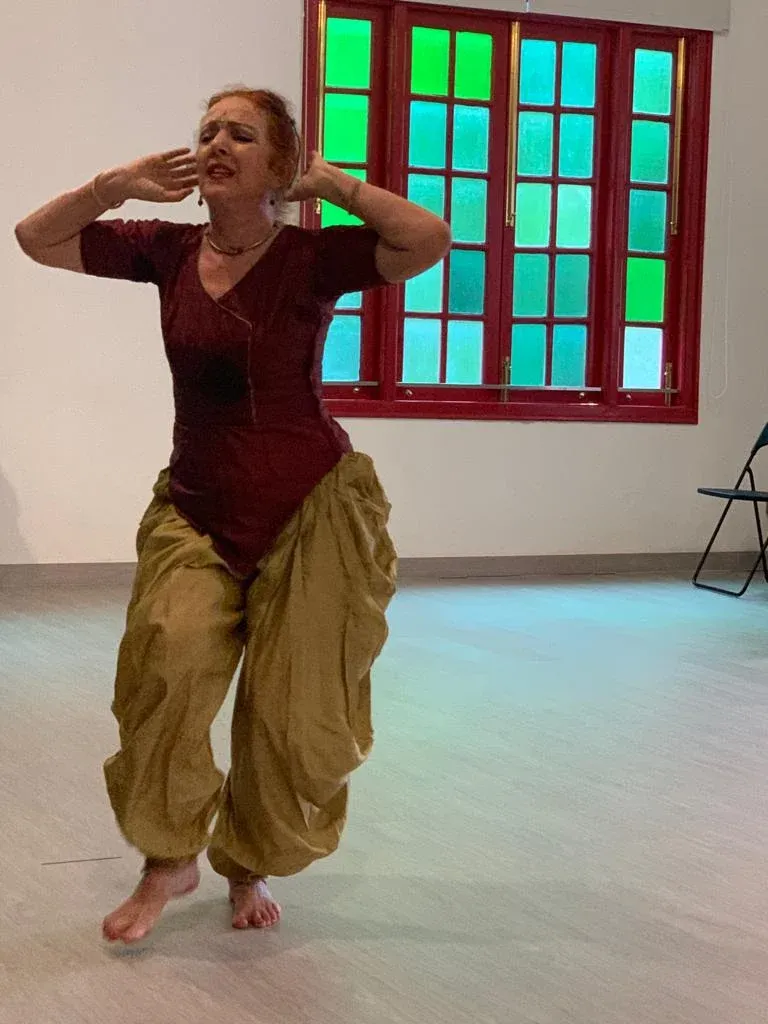
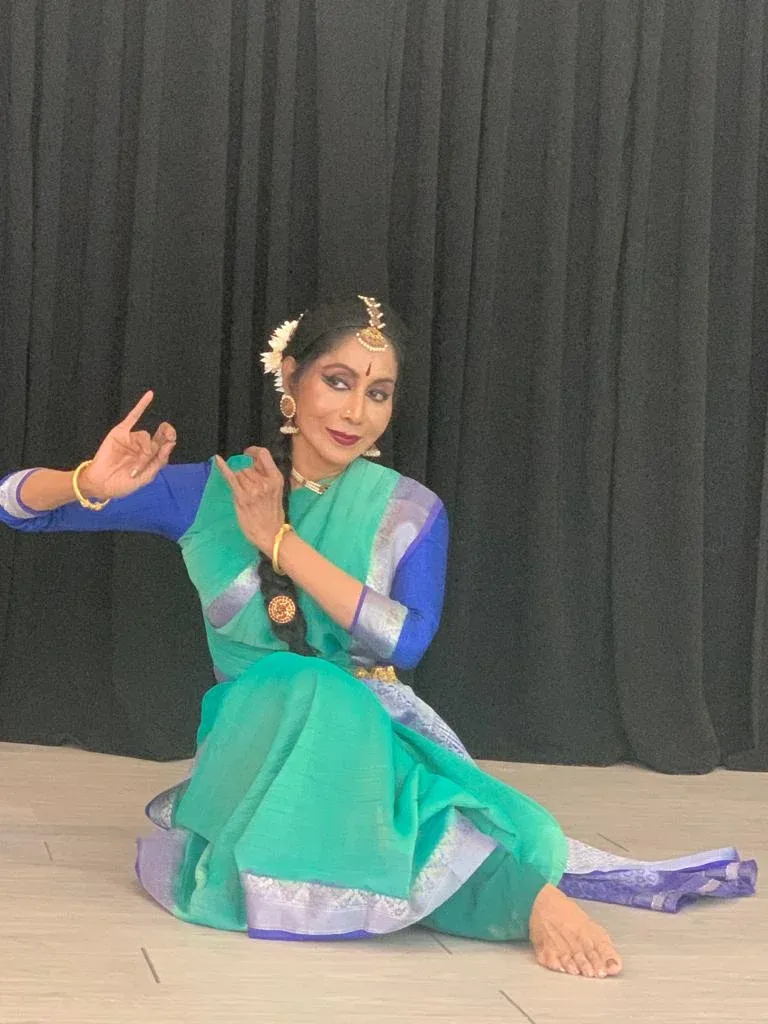
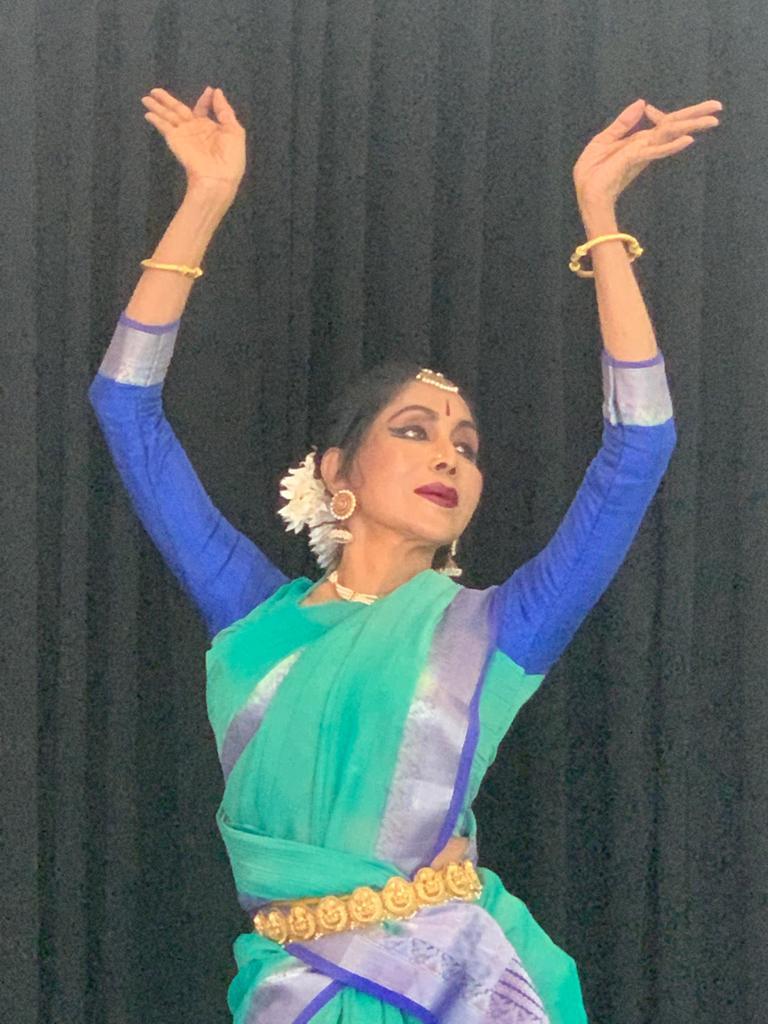
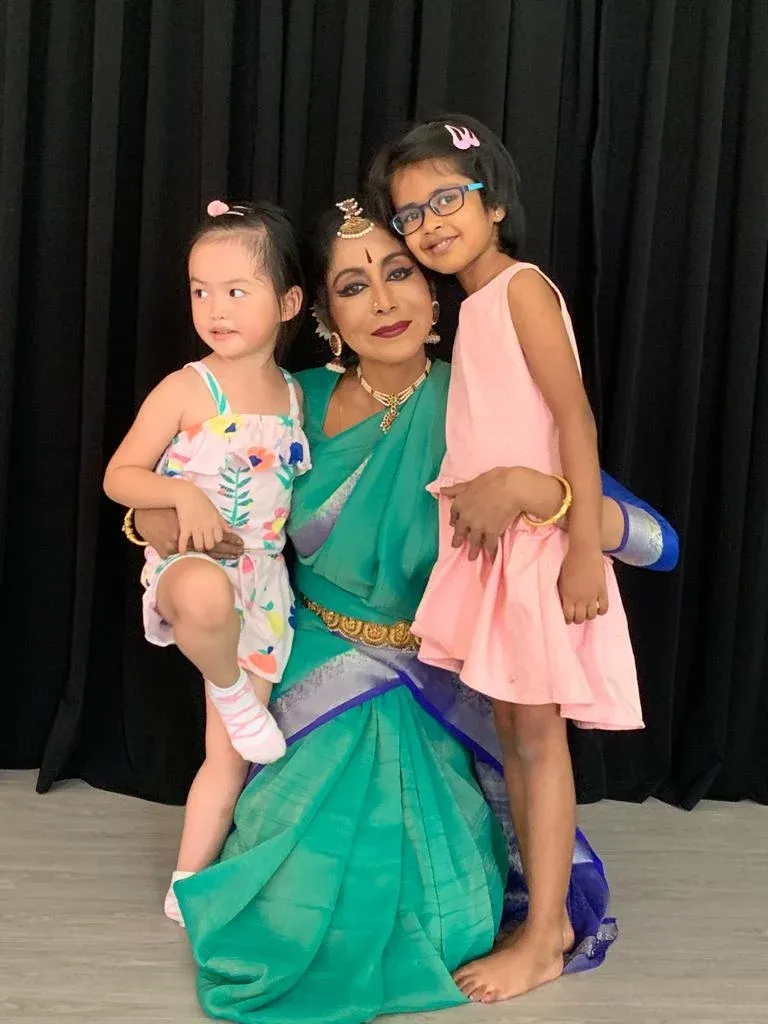
Navarasa is the 9 emotions that humans experience, not only in the arts but in the day to day lives.
A rasa literally means “juice essence or taste”. It refers to the essence crafted into the work by the writer/ artiste and relished by a “sensitive spectator or sahrdaya”.
It connotes a concept in Indian Arts about the aesthetic flavour of any visual, literary or musical work that evokes an emotion or feeling in the spectator/ reader.
Nava Rasa, the 9 emotions propounded by Sage Bharata in Natya Shastra (200 BCE – 200 CE):
Shringara (love/ beauty)
Hasya (laughter)
Karuna (sorrow/ empathy/ compassion)
Raudra (anger)
Veera (heroism/ courage)
Bhayanakar ( terror/ fear)
Bibhatsa (disgust)
Adbhuta (surprise/ wonder)
Shanta (peace, tranquility)
The ninth rasa, Shanta, was only introduced by Abhinava Gupta, arguably around the 11th century.
Let us see how these universal emotions apply to our daily lives across cultures.
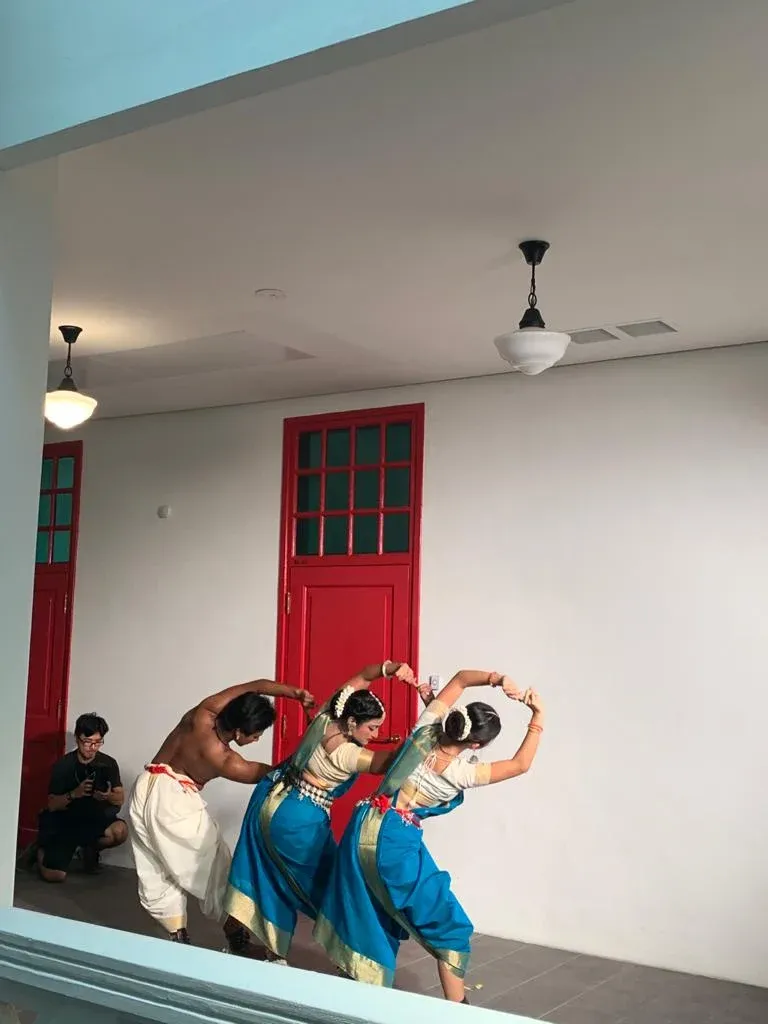
River Ramble: the Story of Singapore River (date of performance)
This dance-drama is steeped in the cultural roots and history of Singapore, as it traces the story of Singapore River from ancient times to the modern day.
The story begins with a scenic Kampong life on the banks the Singapore River, as a fishing sampan (boat) rides out to trade in spices, fish, fruits and vegetables. The boat makes a turn to meet a Chinese story teller who keeps legends alive on the “tonkang” boats down the river, and he recounts the legend of Prince Sang Nila Utama who founded and named Singapore.
The opening sequence is a pure dance item called Megh Pallavi, based on Raga Megh (meaning Cloud Raga), where dancers play with the components of water (raindrops, clouds, splashes of water) in a visual descriptive narrative of the characteristics of water.
The account moves to the 1970s, which saw a downturn in the river’s fortunes. With the rise of industrialisation, pollutants from warehouses turn the lifegiving river into an eyesore. Yet, it relentlessly struggles to flow on. In 1977, Singapore’s Prime Minister ordered a revival of the river and it was brought to its former glory, to flow smoothly. Today, Singapore River is our lifeblood again – providing active, beautiful and clean waters!
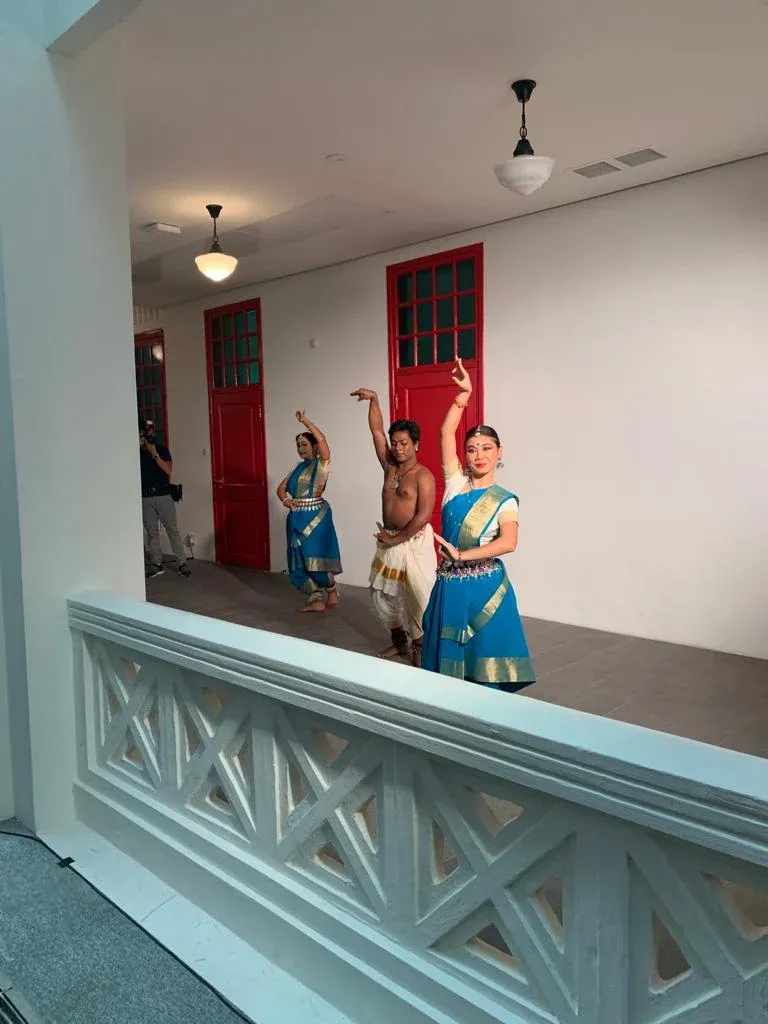
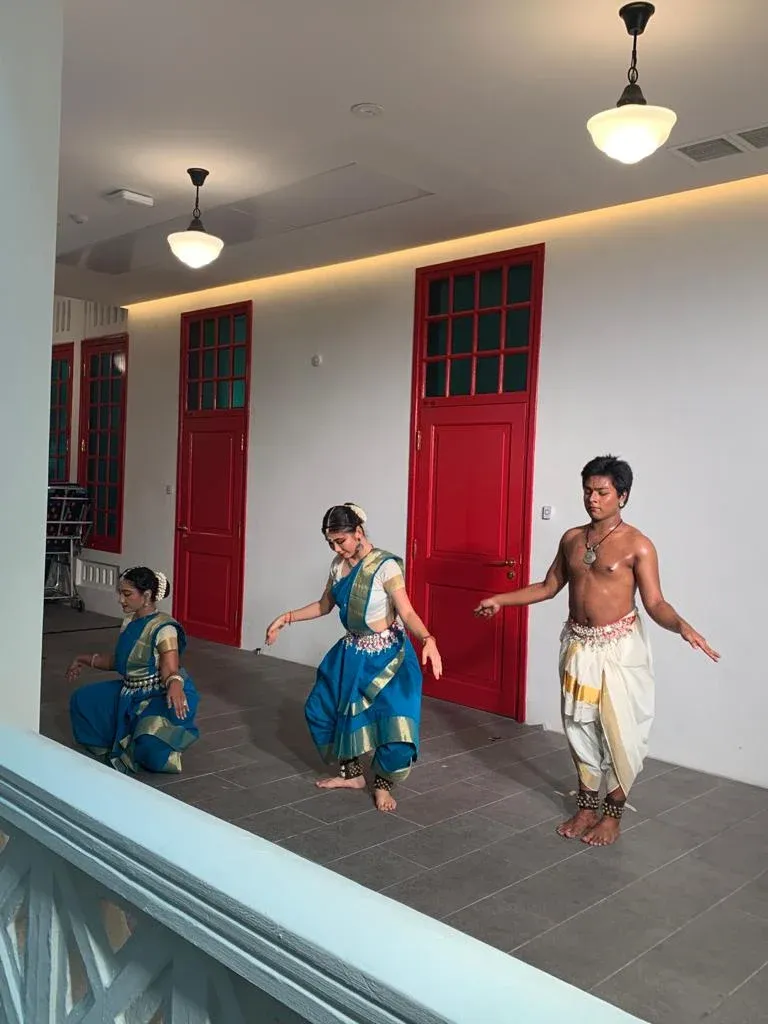
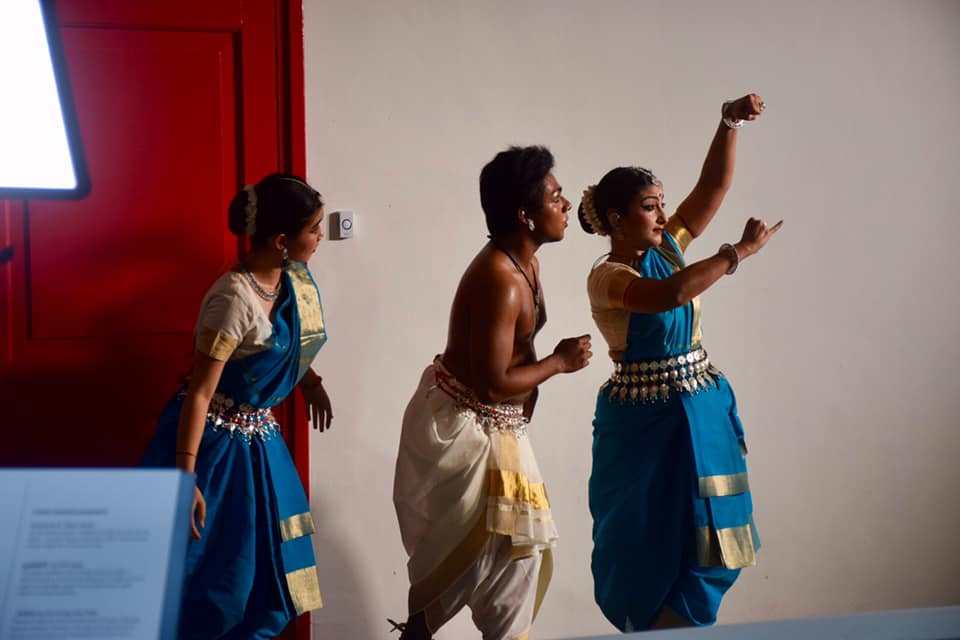
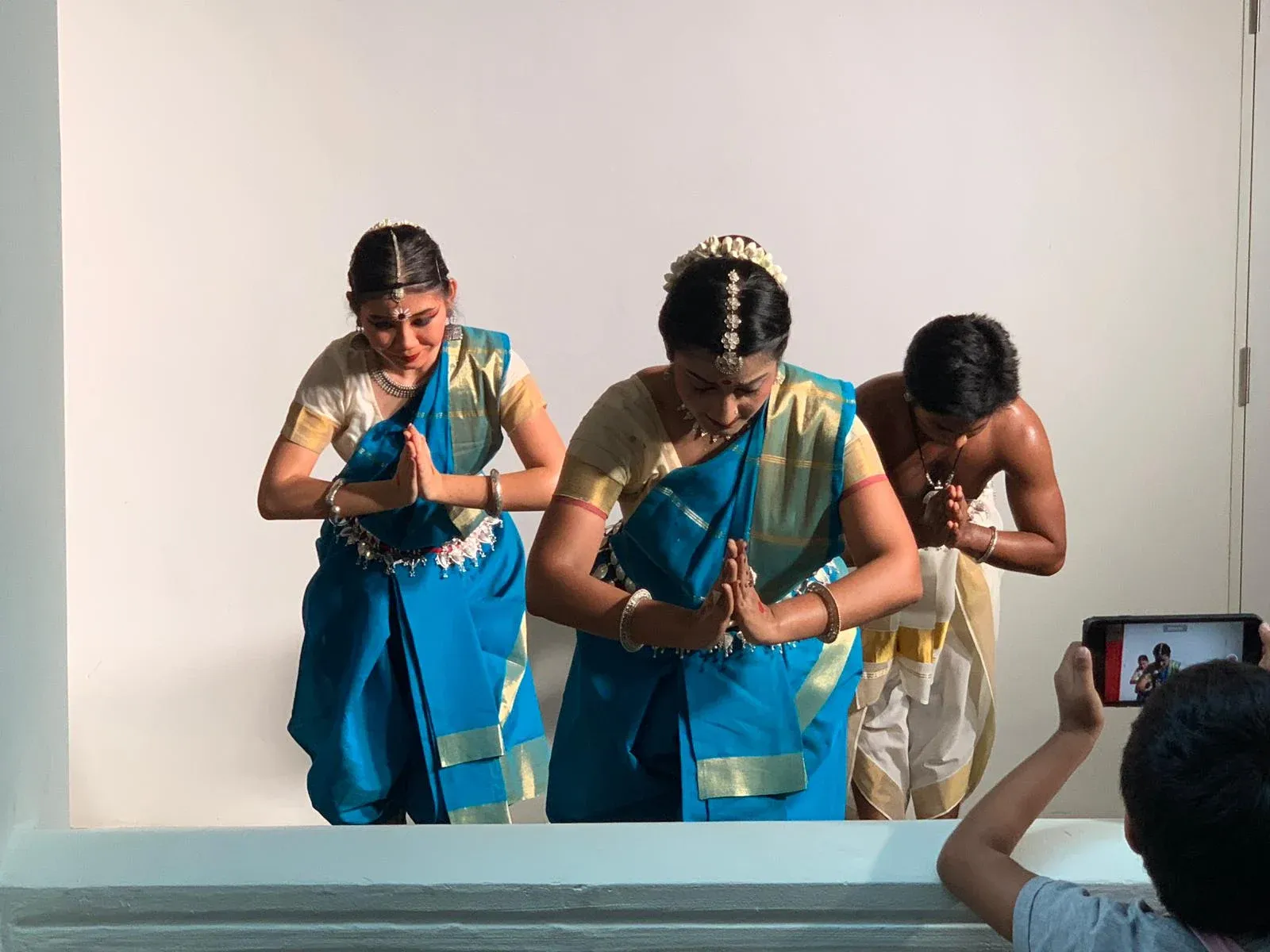
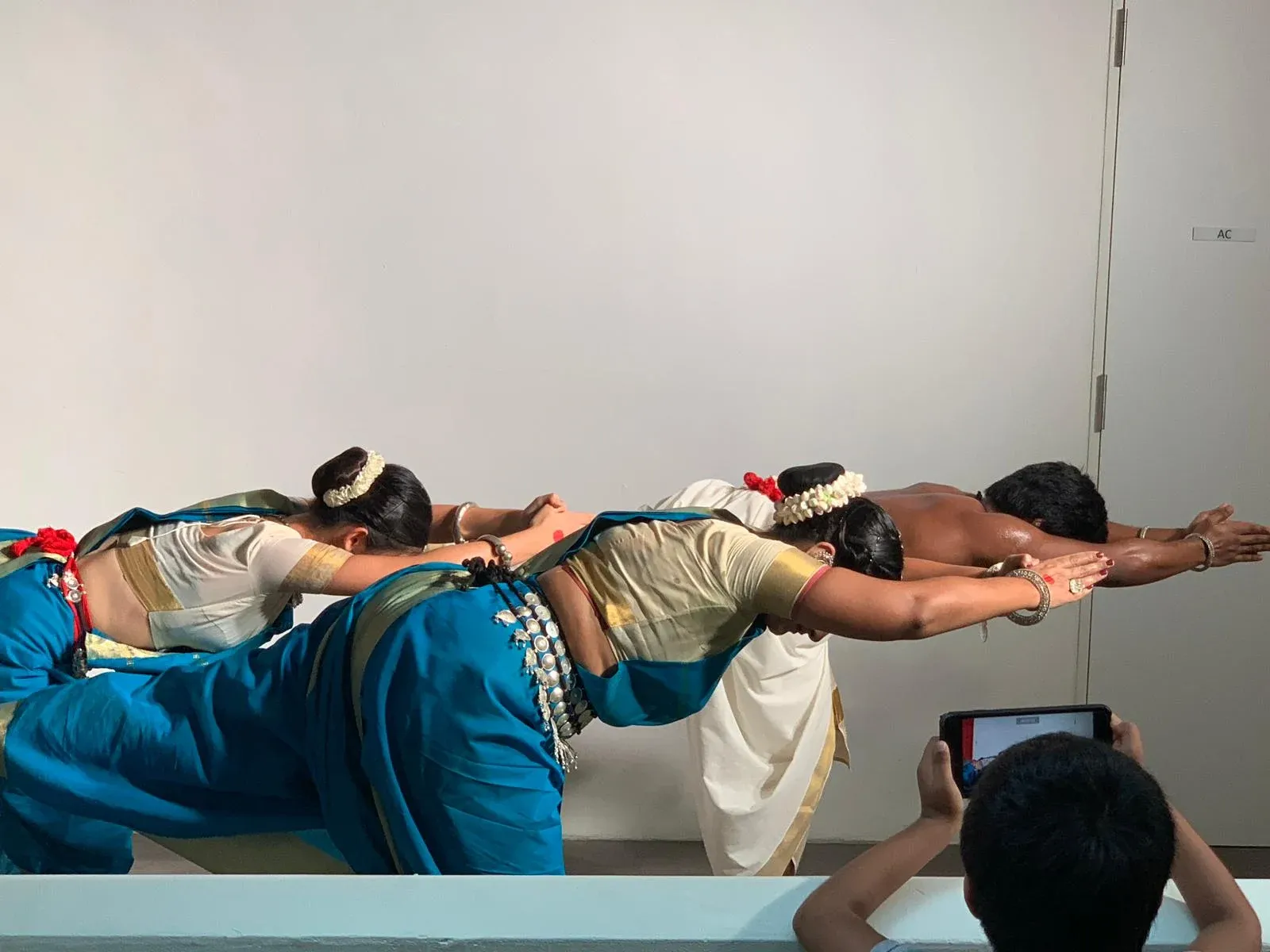
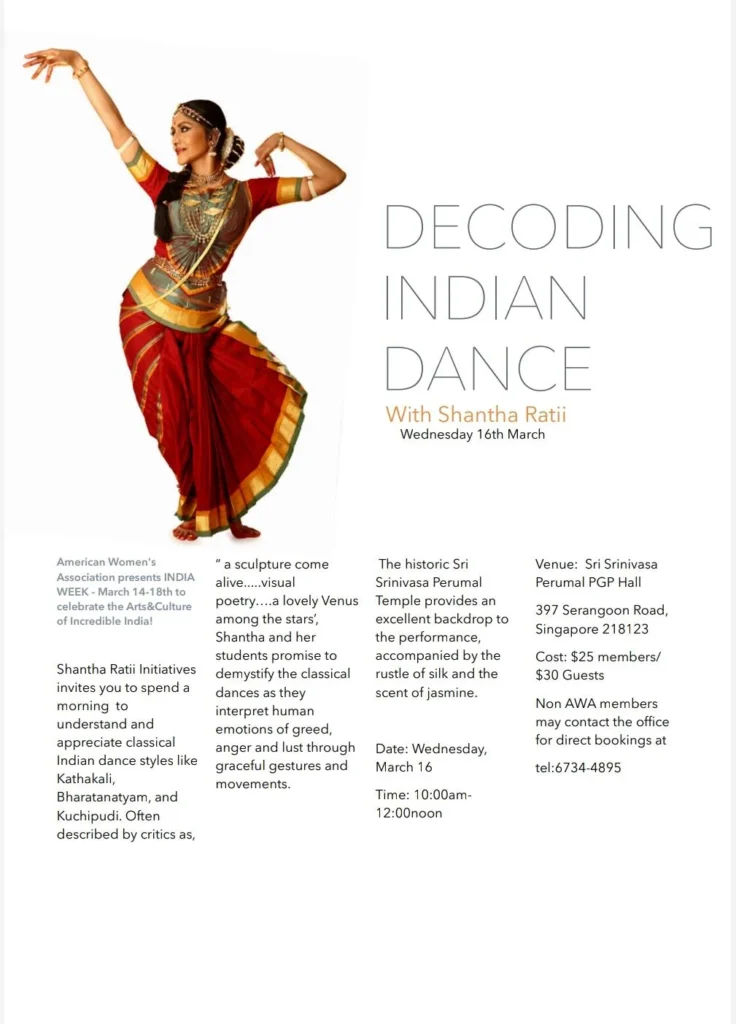
Decoding Indian Classical Dance (date of performance)
“Decoding Indian Classical Dance” aimed to build new audiences for Indian classical dance by explaining and celebrating its nuances. It was presented by Shantha Ratii, founder of SRI, under the aegis of AWA (American Women’s Association) Singapore.
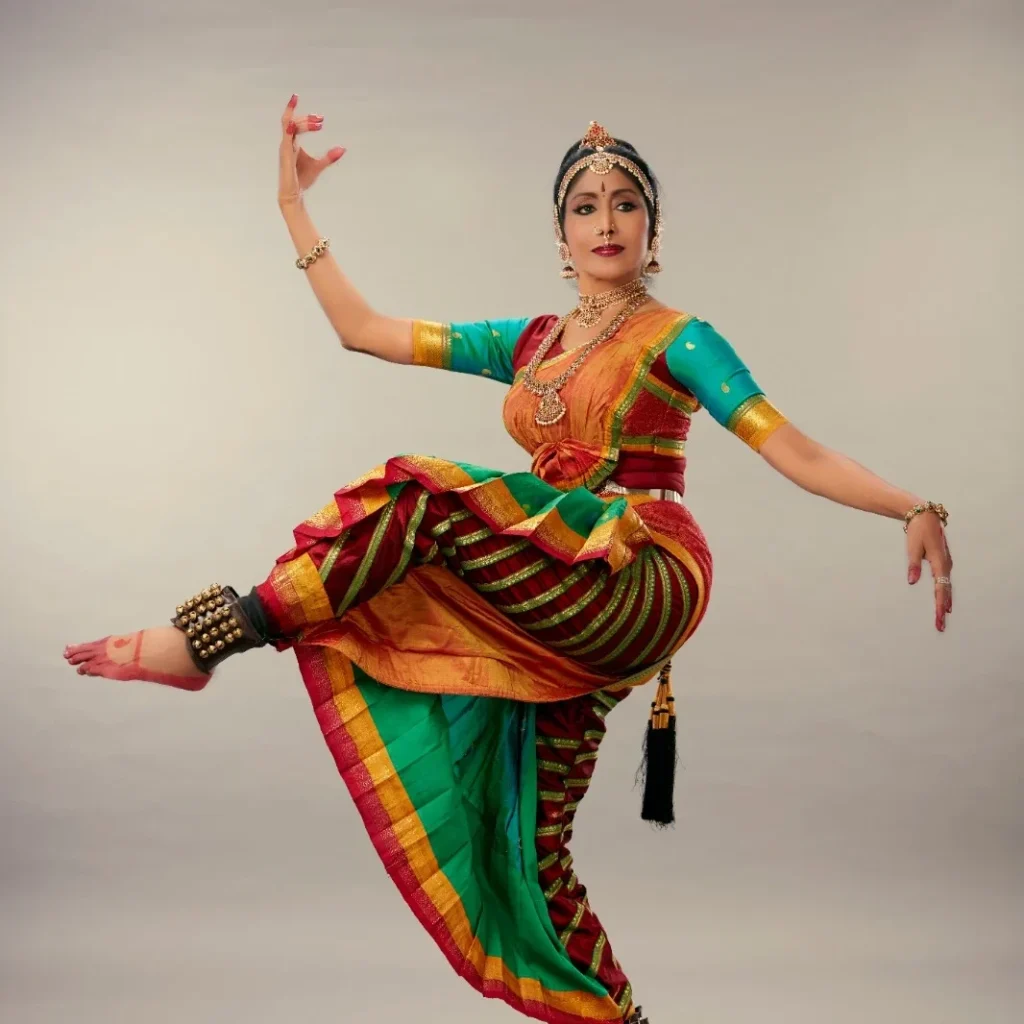
Purnam (date of performance)
Explores the explosive power embodied in the Nataraja or Lord of the Dance, Shiva, as he performs his cosmic dance. Western scientists have decoded it as the expression of subatomic particles’ constant movement in the universe.
Natya Shastra (date of performance)
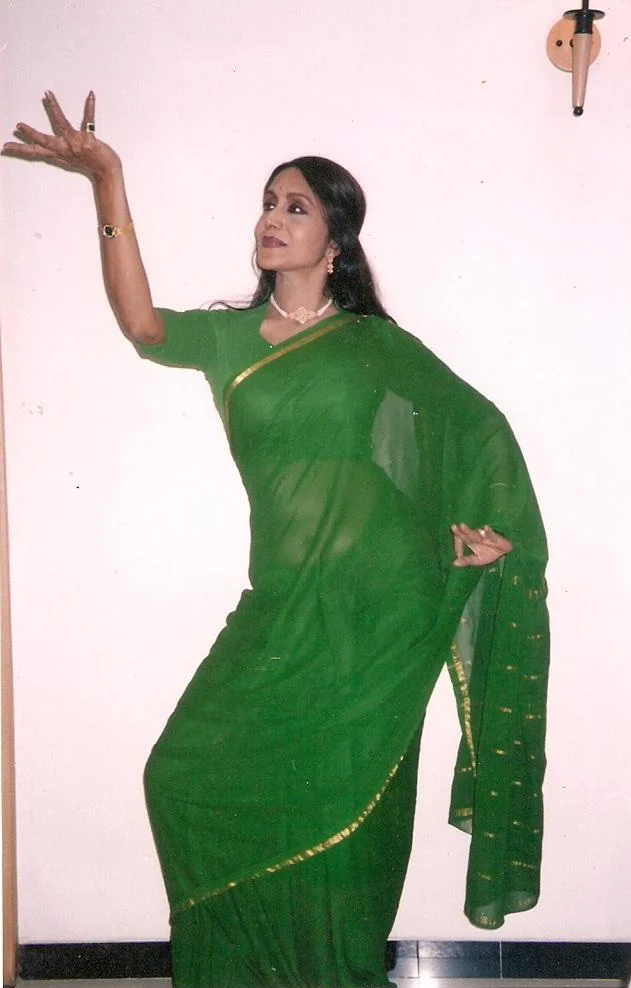
“Using Natya Shastra as a dramaturgical text” for the students of LaSalle College of the arts.